Brown may not always be the first colour to demand attention, but it is often the one that makes us feel most at home
It is the colour of earth, wood, leather, cocoa, toasted bread, fallen leaves, and freshly brewed coffee. Brown feels familiar because it is woven so deeply into the natural world and into many of our most comforting daily rituals. It grounds us without feeling heavy and brings a quiet sense of warmth to a space.

In interiors, brown has an instinctive ability to settle a room. It can feel strong and substantial in deeper shades or soft and nurturing in lighter ones. Unlike brighter colours, brown does not usually ask us to feel energized or alert. Instead, it encourages us to slow down, creating a sense of stability, comfort, and connection.
The neuroscience of colour is complex, and our emotional responses are shaped by memory, culture, personal experience, and context. Colour also does not exist in isolation. Our brains are constantly combining what we see with what we smell, touch, taste, and remember.
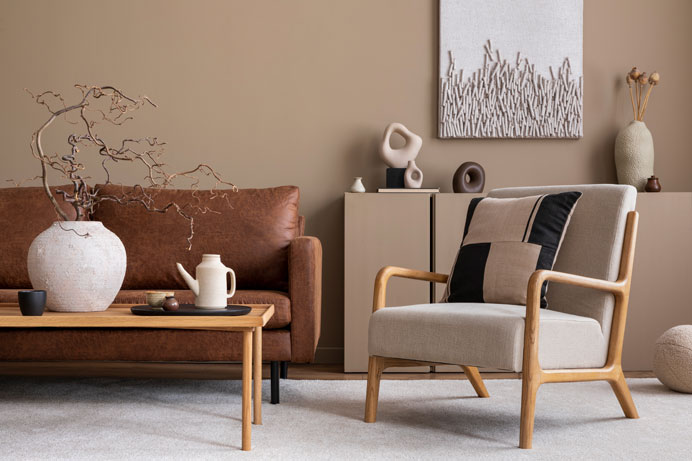
Brown is a perfect example of this multisensory relationship.Consider the aroma of coffee. Before we even take the first sip, the scent can signal warmth, comfort, energy, or the beginning of a familiar routine. For some, it recalls quiet mornings at home. For others, it may bring back memories of a favourite café, conversations with friends, or coffee shared around a family table.
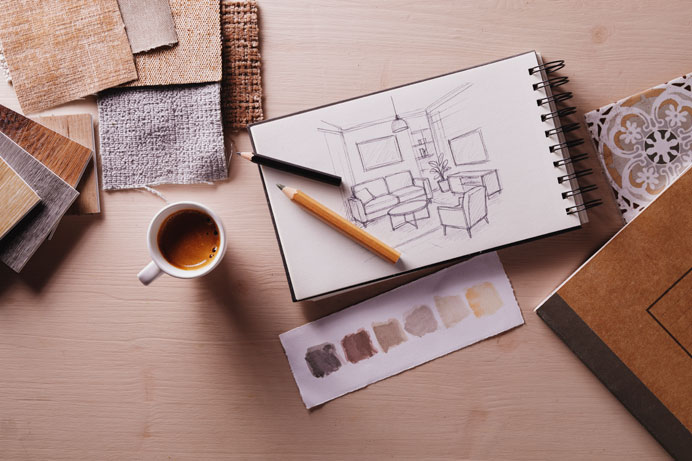
When we see the rich brown of freshly poured coffee, our minds may already begin anticipating its aroma and flavour. Add cream, and the colour shifts from a deep roasted brown to softer tones of caramel, tan, and café au lait.
The visual and olfactory experiences become connected. We do not simply see brown. We remember it, smell it, and almost taste it.
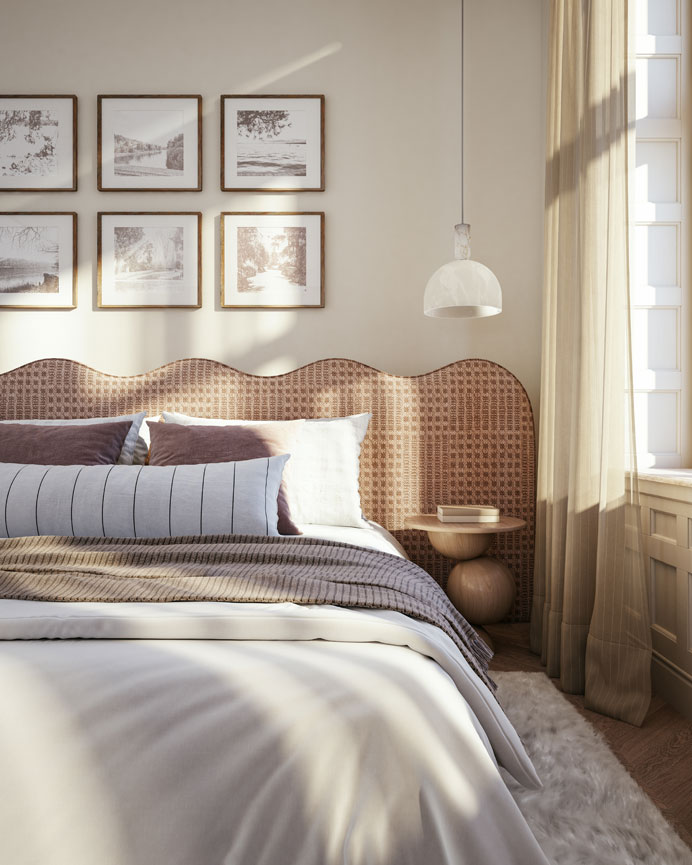
Perhaps that is why brown feels so comforting. It is not simply a colour we decorate with. It is a colour we experience.