A child’s bedroom is often the first space they feel is truly their own. It is where they play, rest, imagine and gradually begin to express who they are. Inviting children into the process of choosing a room colour can be a wonderful way to encourage creativity and independent decision-making, while still allowing parents to offer thoughtful guidance.
The goal does not have to be choosing between complete freedom and complete control. With a little collaboration, parents can help children create a room that feels personal now while still having the flexibility to grow with them.
Begin With How They Want the Room to Feel
Before looking at paint chips, begin with a conversation. Rather than simply asking, “What colour do you want?”, ask how they would like their room to feel.
Do they want it to feel cheerful, calm, cosy, creative or energetic? Their answer may help guide the colour selection more effectively than choosing a favourite colour alone.
A child who loves bright red, for example, may be looking for a room that feels exciting and expressive. Another child may love blue because it reminds them of the ocean or the sky. Understanding the reason behind the choice makes it easier to find a colour solution that reflects their personality while still working comfortably within the room.
Give Them Choices They Can Own
Walking into a paint store and choosing from hundreds of colours can be overwhelming for anyone, especially a child. One helpful approach is to create a small, carefully considered group of colours within the family they already love.
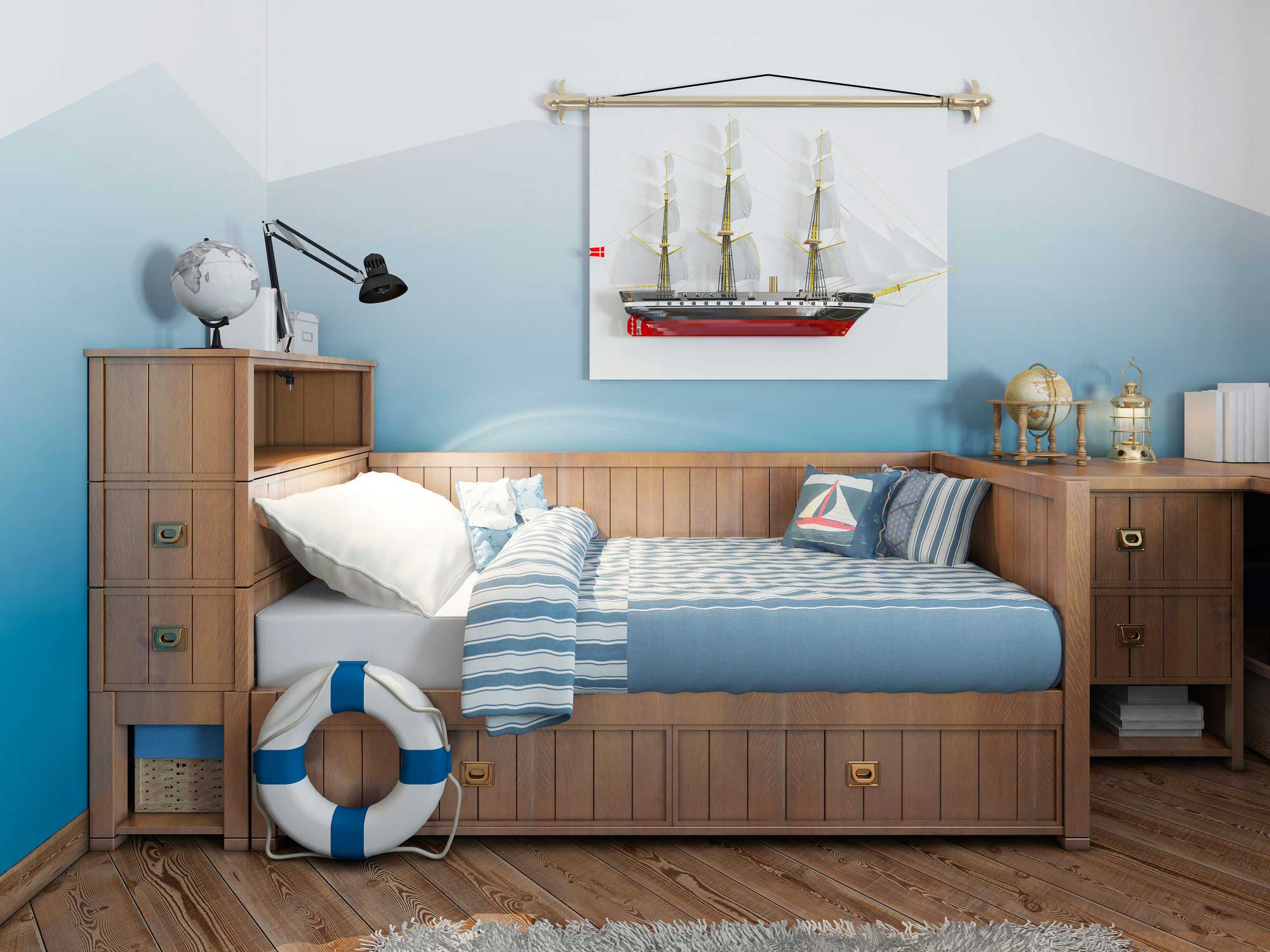
If their favourite colour is green, show them several options ranging from a bright, playful green to a softer sage or greyed green. Allowing them to make the final decision from a curated group still gives them a meaningful sense of independence, while giving parents confidence that the colour will work well in the space.
This process also teaches children that there is rarely just one version of a colour. Every colour can be light or dark, warm or cool, vivid or softened.
Find Creative Ways to Use Strong Colour
Children are often drawn to highly saturated colours because they feel exciting, cheerful and full of energy. These brighter, higher-chroma hues can be wonderful additions to a child’s room, but they may feel more stimulating when used across every wall.
Rather than dismissing the colour completely, look for ways to use it intentionally.
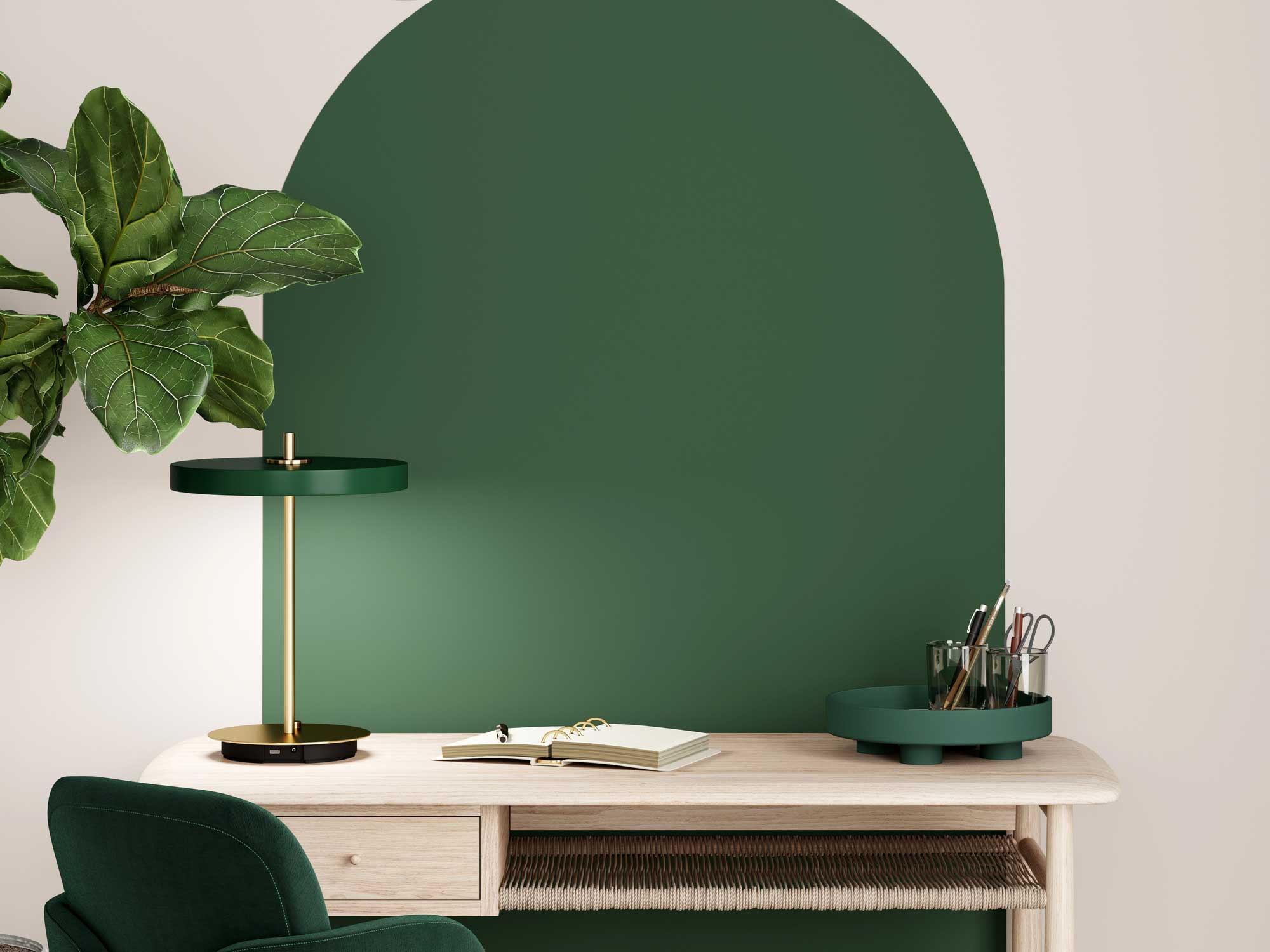
A bright colour may work beautifully on the wall behind the bed, in a reading nook or as a painted arch around a desk. It could also be introduced through stripes, geometric shapes, shelving or a painted piece of furniture.
Using the strongest colour on a feature wall allows the child’s favourite choice to remain an important part of the room without overwhelming the entire space.
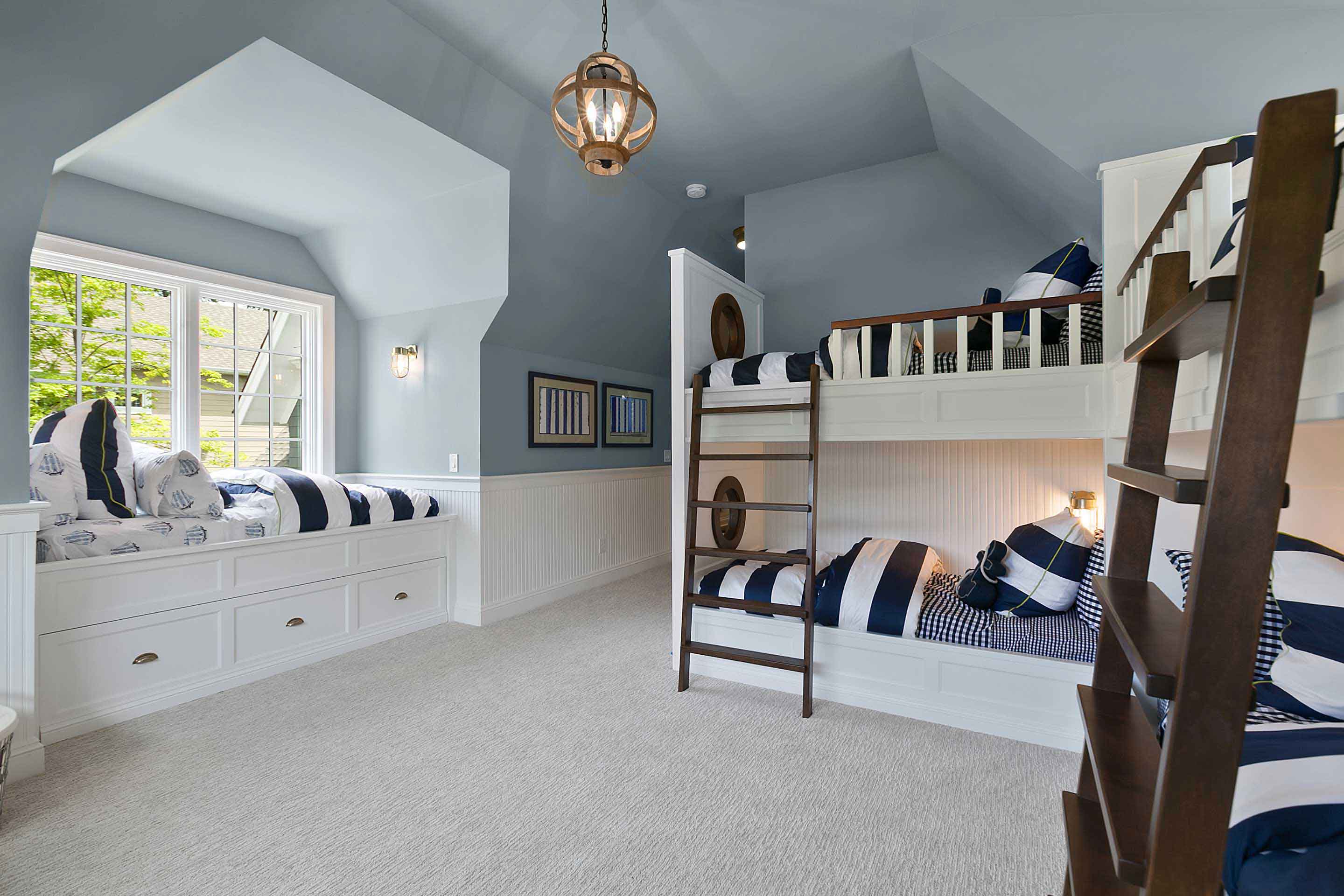
Bedding, artwork, cushions, lamps and accessories are also easy places to introduce bold colour. These elements can be changed over time as the child’s interests and tastes evolve.